SurePods | Prefab Assembled Outside California: A Case Study in…

Prefab Assembled Outside California: A Case Study in Quality and Compliance 

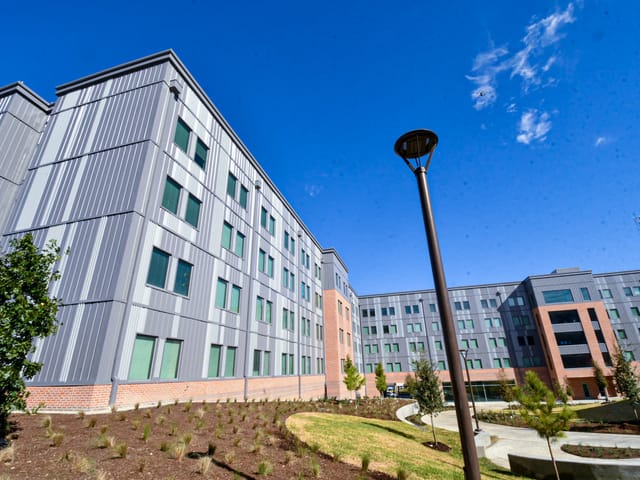
Sierra College built a three-level, 354‐bed student housing facility on approximately 131,000 sq. ft. in Rocklin, CA. The dormitory, which consists of affordable apartment-style residences, is funded by a $80.5 million grant from the State of California. 

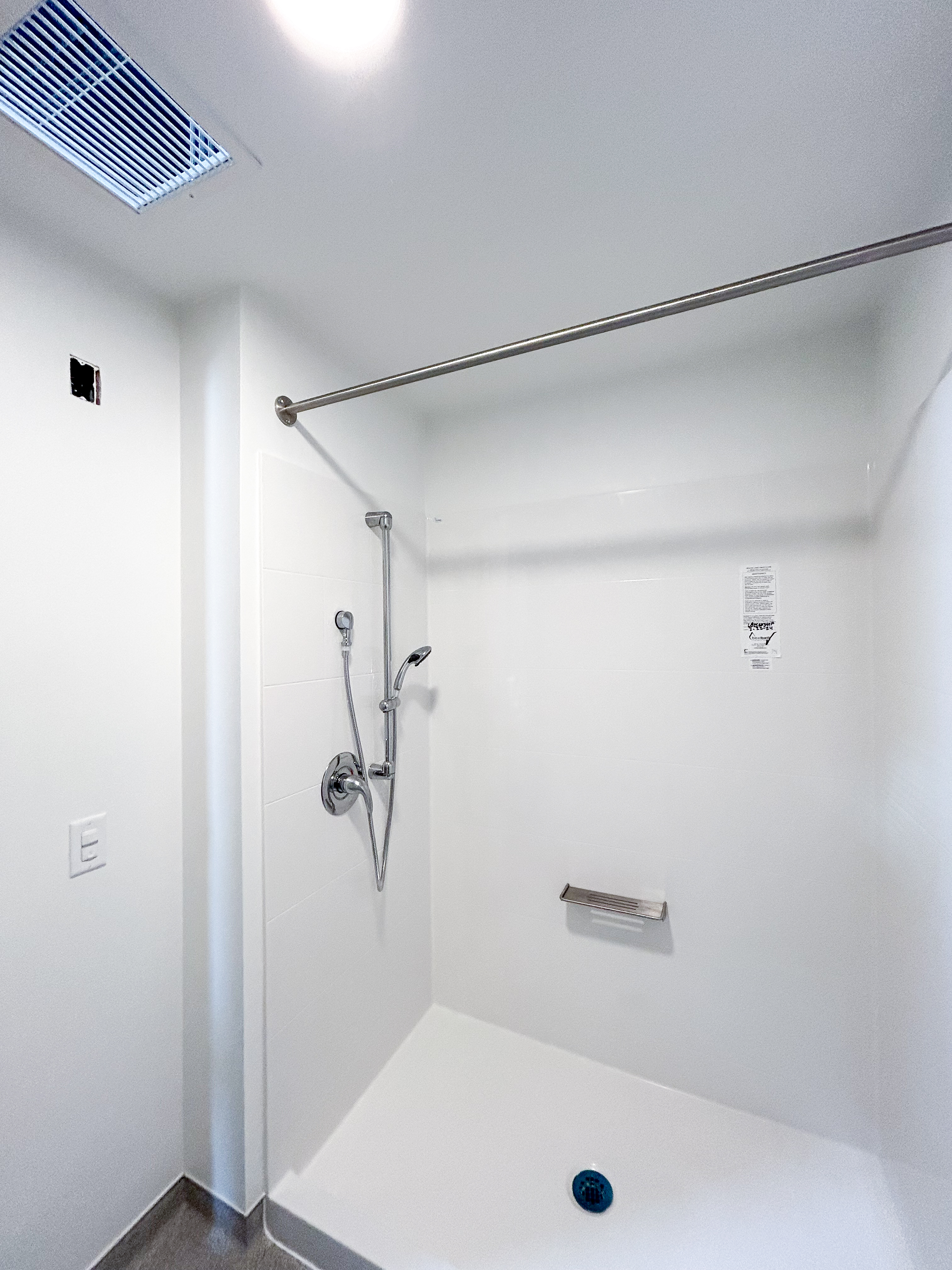
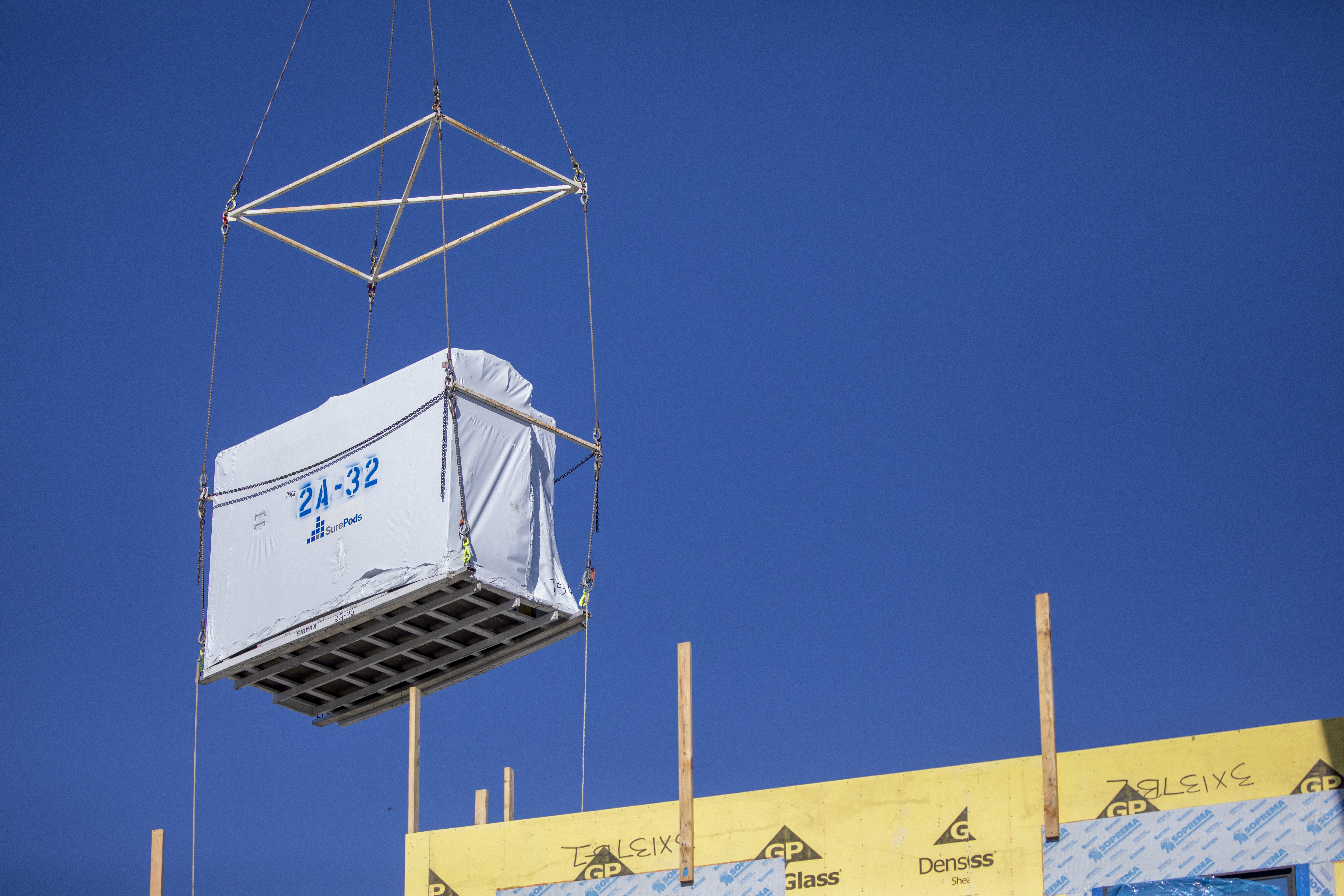
The SurePods scope included 166 prefabricated bathroom pods, each delivered with complete in-wall electrical and plumbing rough-ins for both interior and exterior fixtures. The project includes 5 different layouts of pods. These 5 layouts encompass standard bathroom pods in every living unit, as well as ADA compliant mobility bathroom pods. With a commitment to cost-effectiveness, the general contractor, DPR Construction, introduced SurePods to Sierra College and the Division of the State Architect (DSA) during the design and permitting phase to propose bathroom pods. 

DSA shared concerns over quality assurance and quality control, as SurePods would ultimately manufacture and assemble out-of-state at their Phoenix plant.

Division of the State Architect (DSA) & Its’ Requirements
DSA governs the design and construction process for K–12 public schools and community colleges in California, they set forth detailed requirements to ensure the quality and safety of all construction projects. Key DSA requirements related to quality and inspections include:

  • Inspection Program
  • Certified Inspectors
  • Special Inspections
  • Quality Assurance and Quality Control (QA/QC)
  • Inspection Documentation
  • Continuous Oversight
  • Approval of Inspection Plans
  • Coordination with Design Professionals

Quality Assurance Strategy for Offsite Fabrication
The continuous oversight requirement for a qualified inspector during the entire construction was a significant challenge for SurePods. Having a full-time Project Inspector at the Phoenix plant was an option, but it would cause unreasonable costs and delays. Therefore, alternative solutions needed to be proposed and approved.

SurePods implemented their standard 18-checkpoint QA/QC procedure, where each pod is inspected after every production phase. The inspection requirements were driven by the design professions of record (DPOR) for the project and included: 

  1. Coordination with the IOR and DPORs to enhance SurePods’ QA/QC process with specific pressure testing, structural framing checks, and distinguishing features of work. 
     
  2. A DPOR/owner-hired inspector stationed at SurePods’ facility to conduct quality assurance checks and provide daily reports to the project IOR.
     
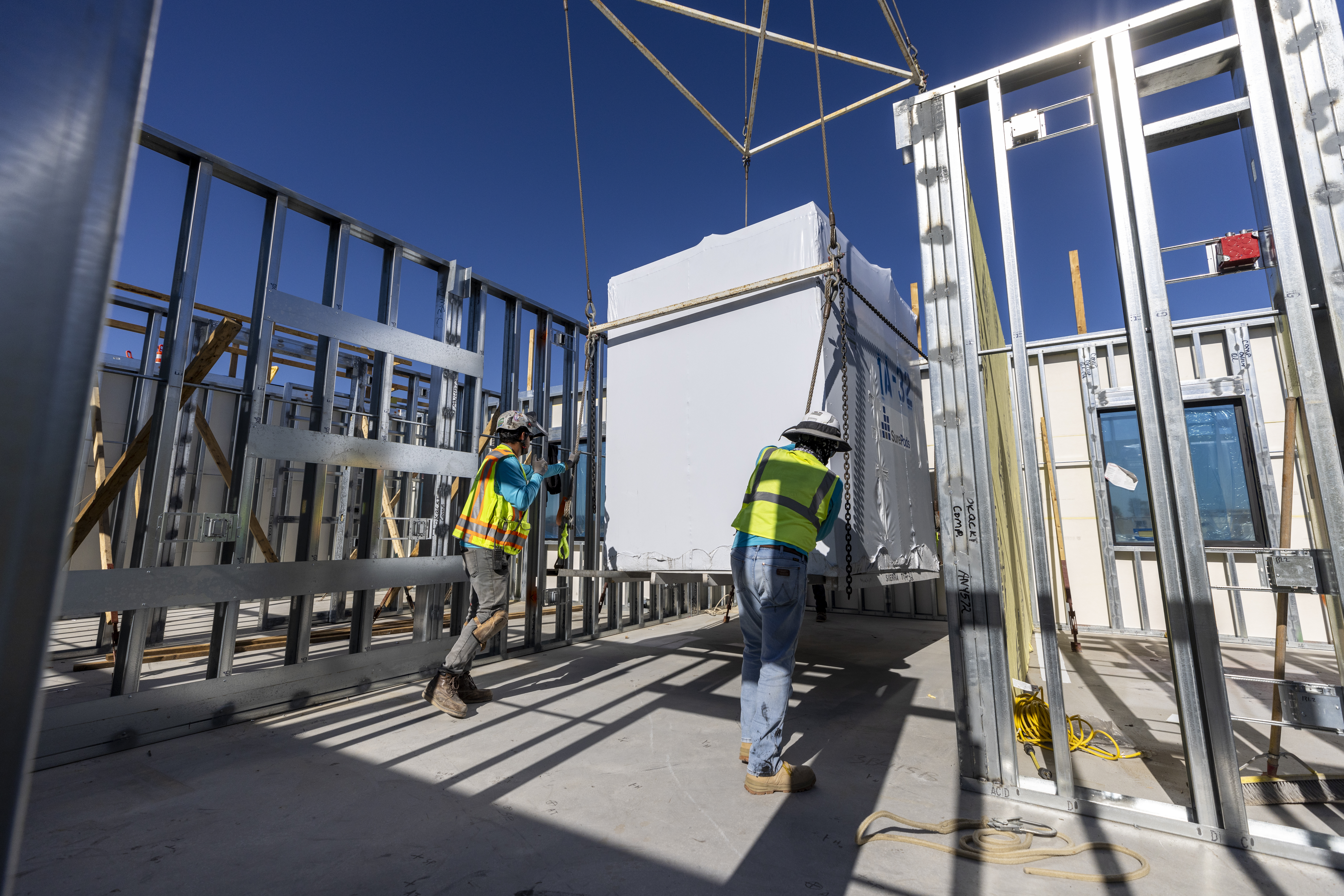
  3. Final on-site inspections focused solely on pod installation and concrete anchor testing that connected the pod to the structure.

The DSA inspector was so confident in SurePods’ QC process that no additional inspection forms were required. Instead, a third-party inspector was brought in to audit the existing QC documentation, ensuring the process was followed exactly as promised. This level of trust speaks volumes about the depth and precision of the QC system in place.

Collaborating with DSA on Alternative Solutions 
Because Sierra College is located in a seismically active zone, the project had to meet strict requirements from California’s Division of the State Architect (DSA). This meant incorporating structural reinforcements like gussets, strapping, and hold-down brackets into every pod. These elements were added to ensure each pod could function as a freestanding structure independent of the building itself.

They suggested that the project IOR contract with a special inspection firm in Phoenix could perform periodic inspections at the plant. Special inspectors customarily look at welds, soil compaction, concrete, etc. In this case, we would have them look at MEP rough-ins, drywall fastening, etc. - things they don't normally do - under the direction of our PI here in California. 

In February we traveled to Phoenix with the PI, representatives from our local special inspection firm and representatives from Sierra College. We met to discuss how we could structure the arrangement, reviewed quality procedures and had an extensive factory tour. At the end of the trip, all agreed that we could make it work. Robert Boucher – DPR Preconstruction Manager

How Sierra College’s Pods Meet the Highest Standards 
Traditional bathroom construction is labor-intensive, prone to coordination conflicts, and often results in schedule delays. Sierra College’s aggressive timeline and the need to reduce on-site congestion and trade stacking created the perfect opportunity to explore prefab solutions. 

Sierra College’s project included six distinct bathroom layouts ranging from toilet-only pods to full setups with showers and sinks. Each pod type had up to four variations, and none were treated as cookie-cutter. Every version was modeled and coordinated individually to catch potential issues early and ensure seamless installation.

Each bathroom pod was collaboratively designed during the early Design Development (DD) phase, with input from the architect, MEP trades, and SurePods. Virtual design coordination ensured clash-free installation and seamless integration with plumbing, electrical, mechanical, and fire protection systems. Our structural engineers collaborated closely with the project SEOR to coordinate anchorage design and ensure structural compliance. This early planning was essential for meeting Sierra College’s timeline.

SurePods also prefabricated and installed all vertical waste and vent stacks/risers off-site, taking a large portion of this scope off-site. Additionally, our installation team ensured timely execution, maintaining the project schedule and securing on-time inspections for every pod’s anchorage. 

Prefab Strategies that Delivered
Even with an accelerated schedule, the team didn’t lose sight of the client’s desire for custom features. One standout request was a specialized door threshold that concealed interior flooring from the exterior view. The team worked closely with trade partners to define the scope and give the client extra time to finalize the design, without delaying the build. The team gave Sierra College the freedom to make decisions while ensuring everything looked polished and professional in the end.

The prefabricated bathroom pods delivered a range of benefits for both project executives and Sierra College. For project executives, the approach ensured schedule certainty by reducing on-site build time by approximately three weeks per floor. It also mitigated risks by minimizing coordination conflicts and rework in dense construction areas, while optimizing labor by reducing the number of on-site trades required during critical path phases. For Sierra College, the use of prefabricated pods significantly reduced campus disruption, resulting in less noise, fewer deliveries, and a safer environment for students and staff. The project also aligned with the college’s sustainability goals through waste reduction and improved material efficiency. Additionally, the factory-controlled conditions ensured consistent quality, leading to higher-finish bathrooms and fewer punch-list items.

Designing for Real-World Constraints
Every prefab project comes with its own set of challenges, and Sierra College was no exception. One of the most unique aspects of this build was the need to place pods directly against a pre-existing corridor wall. To meet both ADA requirements and maintain a two-inch seismic air gap, the team had to rethink traditional design approaches. Instead of the usual 3 ⅝-inch studs, 2 ½-inch studs were used to preserve the air gap and interior dimensions. Meanwhile, 6-inch walls were incorporated to accommodate plumbing tie-in ensuring both compliance and functionality. Sierra College had one more critical requirement: future ADA adaptability. That meant every fixture from sink heights to toilet paper holder placement had to meet precise ADA tolerances. These measurements were built into the QC forms, giving inspectors and the college full visibility into compliance at every step.

Start Early, Stay Ahead
Our biggest piece of advice for future clients? Start early. As soon as architectural floor plans are finalized, it’s time to align pod design with the building’s intent and begin customizing QC forms. Early coordination ensures that every stakeholder’s needs are addressed, long before the first pod rolls off the line.

We Think You'll Like ...

Keep Reading

Want More Information?